
Software that fits how your organisation really works.
We build, connect and maintain business critical software. From client portals and internal platforms to ERP integrations and automation. First we understand the process. Then we write code.
CodeIQ builds and maintains software for 40+ organisations











Building is the start. Staying is the work.
Building new, taking something over or building on what is already there. Usually all three, in that order.
See all services- Take over Your builder is gone and it still runs, but nobody dares to touch it. We read ourselves in, write down how it works and take over maintenance.
- Build Client portals, internal platforms, links to your ERP. Built around your process, in pieces that go into use quickly.
- Keep developing A fixed team with fixed hours per month. Every two weeks something new goes live, and you decide what comes first.
What we hear most often.
Almost nobody calls us with a finished brief. It starts with a situation that has been rubbing for a while. Pick one and read what we do about it.
Our builder stopped and nobody understands the code any more.
We start by reading. Within two weeks we know how the platform fits together, what is broken and what has to happen first. We write that down, so the knowledge does not end up in one head again.
After that we take over maintenance: updates, monitoring and new functionality. You have a team to call again when something happens.
The real administration lives in a spreadsheet.
Excel is not the problem, it is usually the smartest thing someone had at the time. It becomes a problem once five versions are going round and nobody knows which one is right.
We build software around that process, with the same freedom but without the risk. One place where it is right, permissions per person, and nobody breaking a formula by accident.
We retype orders from one system into another.
Two packages that both work fine, just not with each other. So somebody does it by hand, and now and then it goes wrong at a moment that really does not suit you.
We connect them through their APIs, or build the bridge if there is none. What costs an afternoon a week now happens by itself, including an alert when something does not come through.
A change takes months, if it arrives at all.
The wishes are there, but nobody ever gets round to them. Meanwhile everyone works around the software, and that costs more than the change itself.
A fixed team with fixed hours per month. Every two weeks something new goes live and you decide what comes first. The list gets shorter instead of longer.
We work in phases. So you always know where we are.
Every question goes through these four phases, whether we build new or take over an existing platform. After the last phase it starts at the first again: every new wish follows the same route.
How we work-
Digging in
We get into your process, your systems and your code. What works, what costs money and what becomes a problem later? You get it in writing, with the order we would tackle it in.
Usually we spend a day on the floor with you. That beats ten meetings, because people show you what they never write down.
-
Building
Small pieces that go into use quickly. You see something running within weeks instead of after six months, and we can adjust while that still costs nothing.
Every two weeks something new is ready on a test environment. If it does not work the way you imagined, that is two weeks of work, not half a year.
-
Sharpening
What people actually use always differs from what they asked for upfront. Every sprint we sharpen it against what the floor shows us, not against the plan.
We watch the numbers with you: which screens get used, where nobody clicks, where people drop out. That decides what gets built next.
-
Keeping it running
Hosting, monitoring, updates and a developer who knows your platform. No hand-offs: the same people who built it.
New legislation, a supplier changing their API, a peak on Monday morning. That comes with the territory and sits in the retainer.
Projects that run. And keep running.
From a link between two systems to a platform people work with every day. This is a selection of what is running.
All cases-
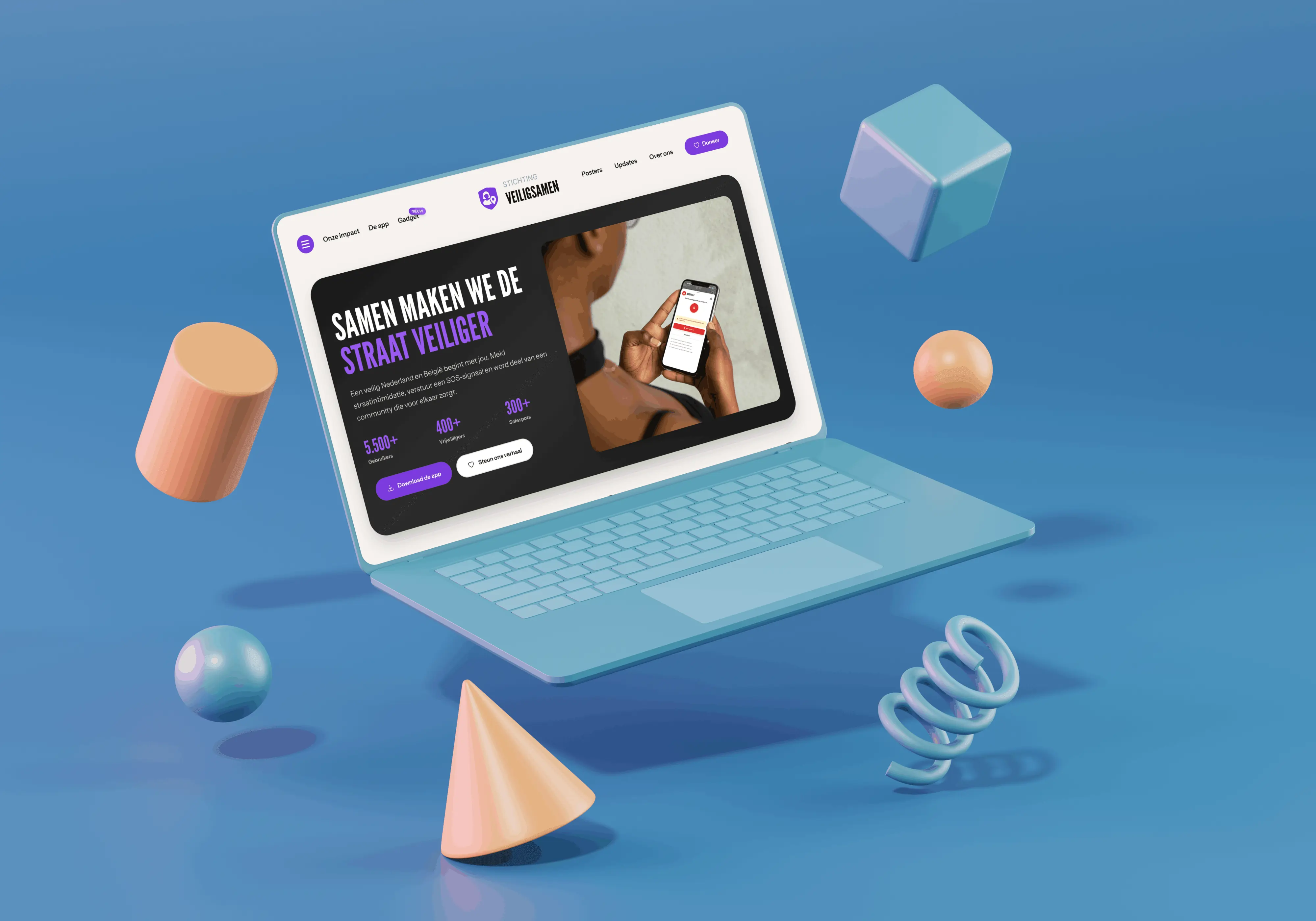 De app en de API waarmee een SOS binnen seconden bij vrijwilligers in de buurt ligt.
Een SOS die binnen seconden op de telefoon staat van vrijwilligers een paar straten verderop.
De app en de API waarmee een SOS binnen seconden bij vrijwilligers in de buurt ligt.
Een SOS die binnen seconden op de telefoon staat van vrijwilligers een paar straten verderop.
-
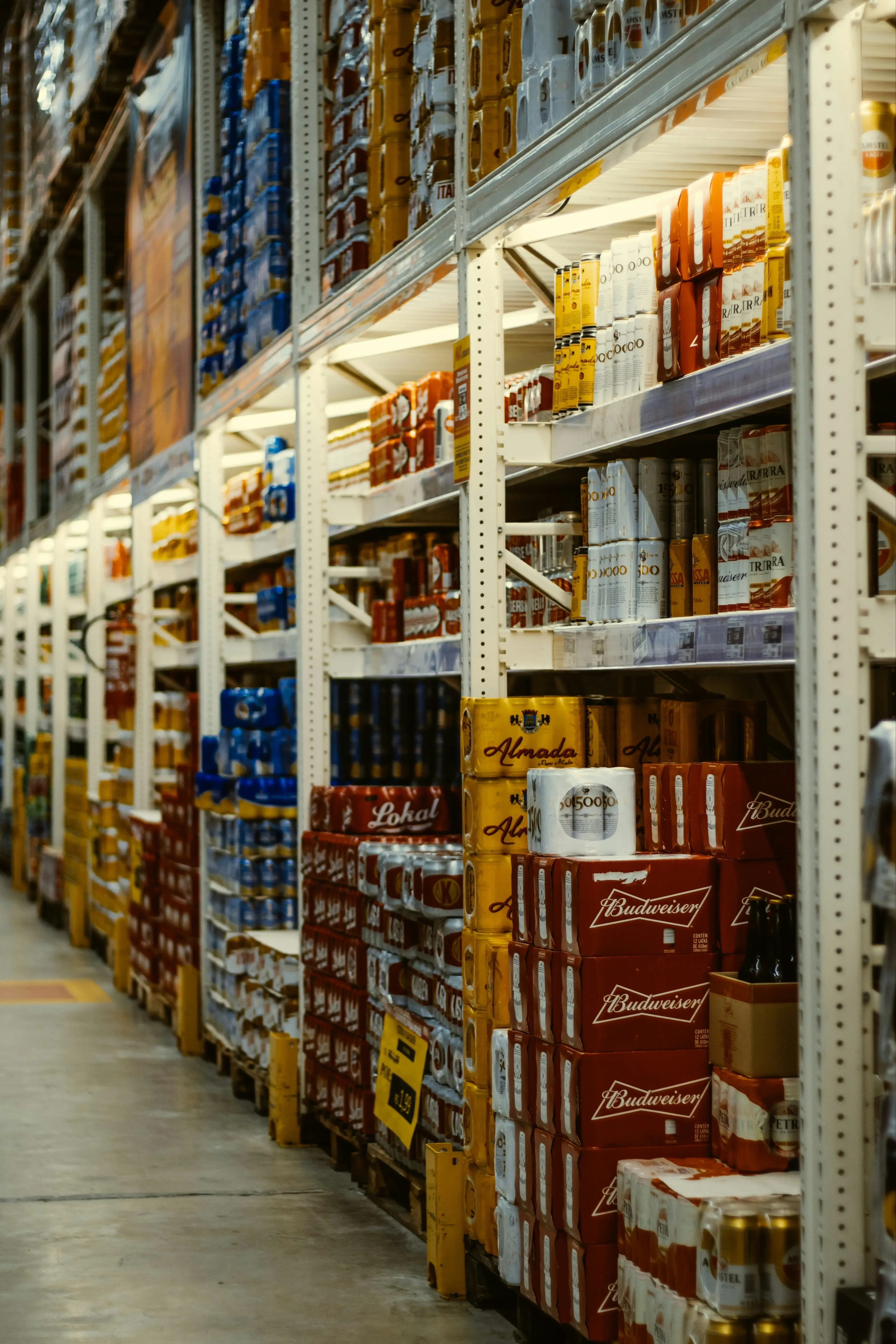 De app die hun magazijnsysteem en Shopify aan elkaar knoopt, te installeren vanuit de App Store.
Voorraad die in het magazijn afgaat en op hetzelfde moment in de webshop klopt.
De app die hun magazijnsysteem en Shopify aan elkaar knoopt, te installeren vanuit de App Store.
Voorraad die in het magazijn afgaat en op hetzelfde moment in de webshop klopt.
-
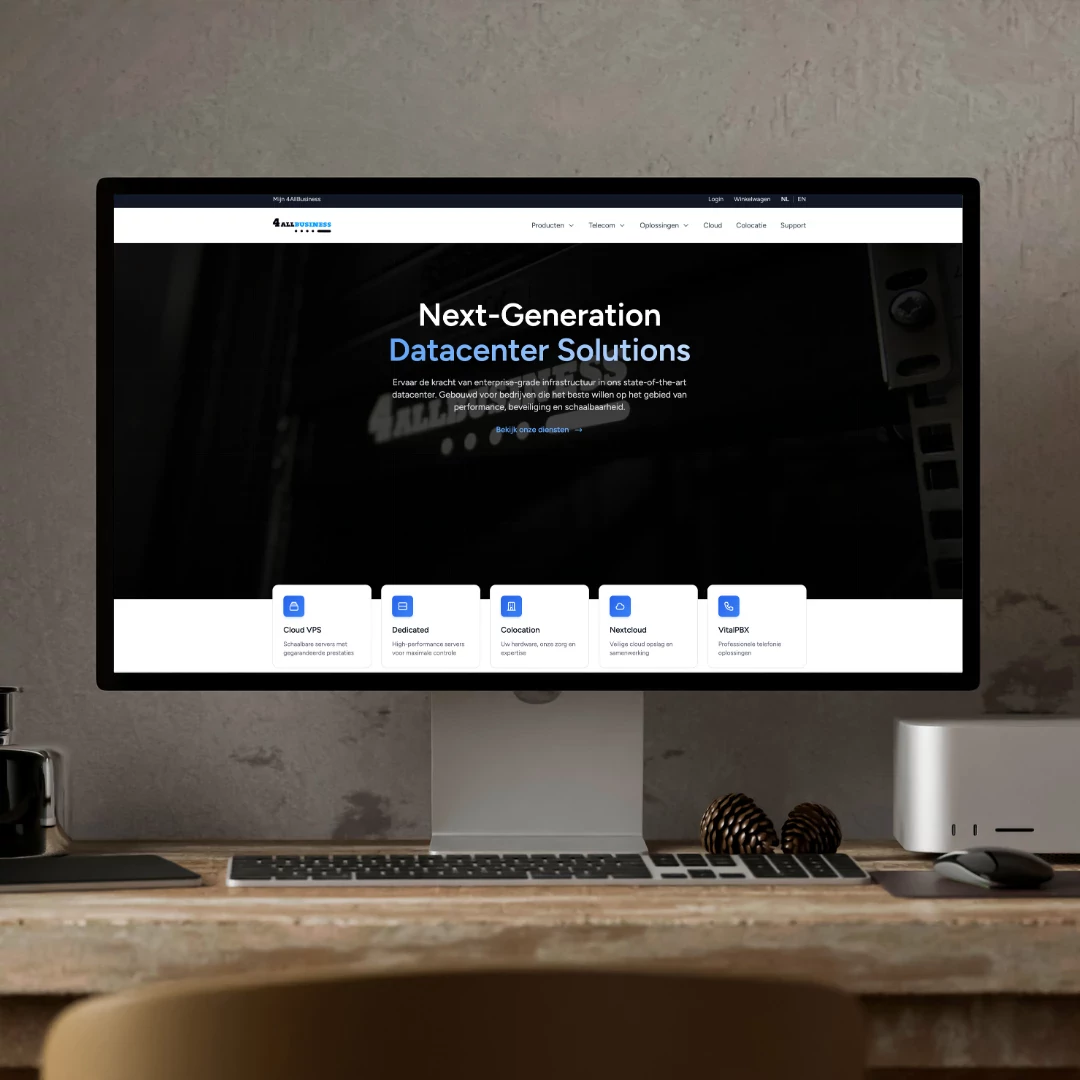 De vernieuwde site met een configurator waarin klanten hun eigen pakket samenstellen en meteen bestellen.
Bestellingen die binnenkomen zoals de klant ze zelf heeft samengesteld, klaar om te verwerken.
De vernieuwde site met een configurator waarin klanten hun eigen pakket samenstellen en meteen bestellen.
Bestellingen die binnenkomen zoals de klant ze zelf heeft samengesteld, klaar om te verwerken.
-
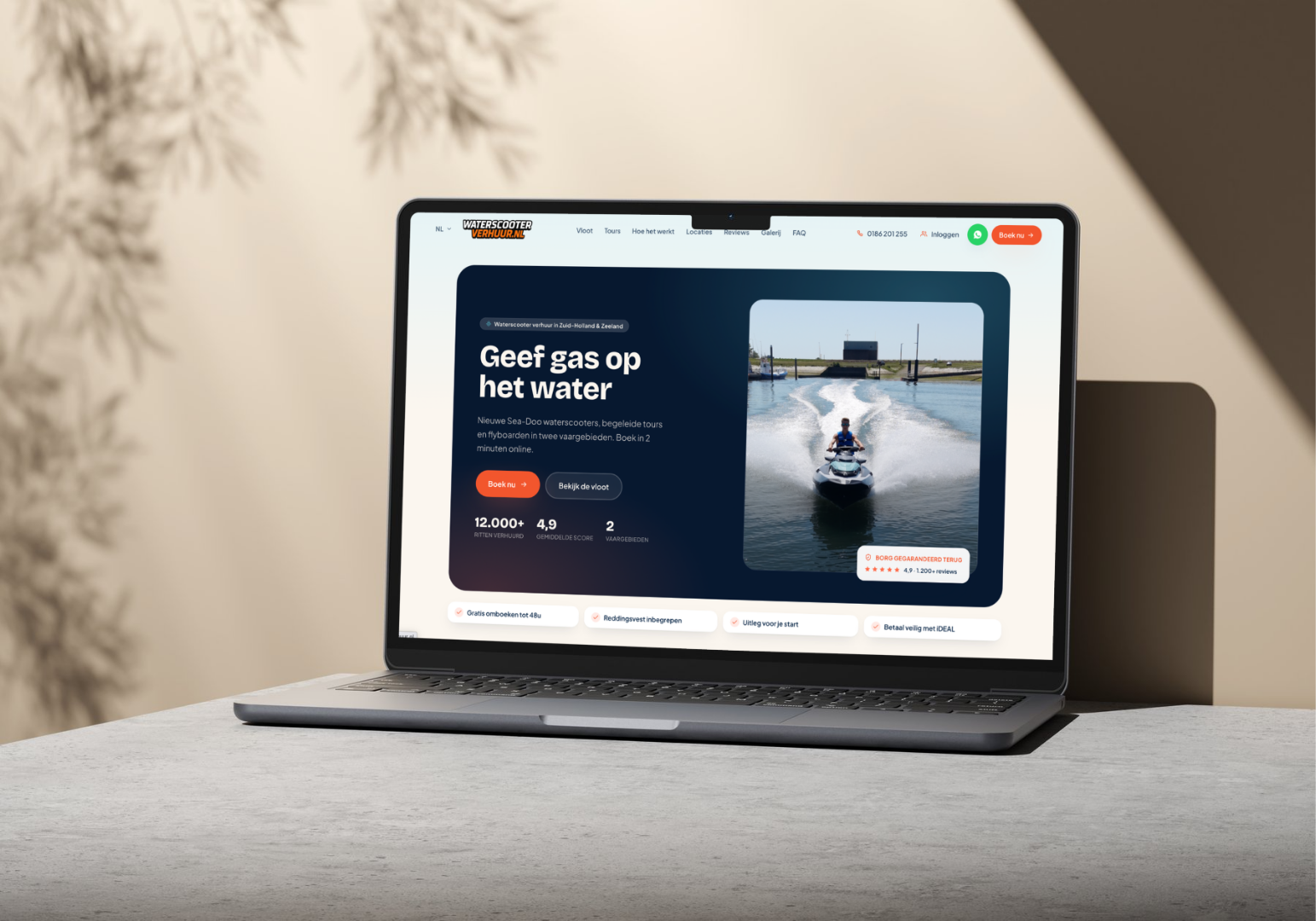 Het hele verhuurproces in één systeem, van de boeking tot de borg die vanzelf terugkomt.
Een boeking van twee minuten waarin het contract getekend is voordat iemand op het water staat.
Het hele verhuurproces in één systeem, van de boeking tot de borg die vanzelf terugkomt.
Een boeking van twee minuten waarin het contract getekend is voordat iemand op het water staat.
CodeIQ thinks along with you and has an answer for everything. A driven company that will not leave you hanging.
Moved to Shopify quickly and without worries. Personal contact and a response time you never have to wait for.
Helpful, proactive and always solution minded. Communication and transparency are their strongest points.
Helped us extremely fast and understood right away what was needed. I know who I am calling next time.
Excellent service and a professional approach. They exceeded my expectations.
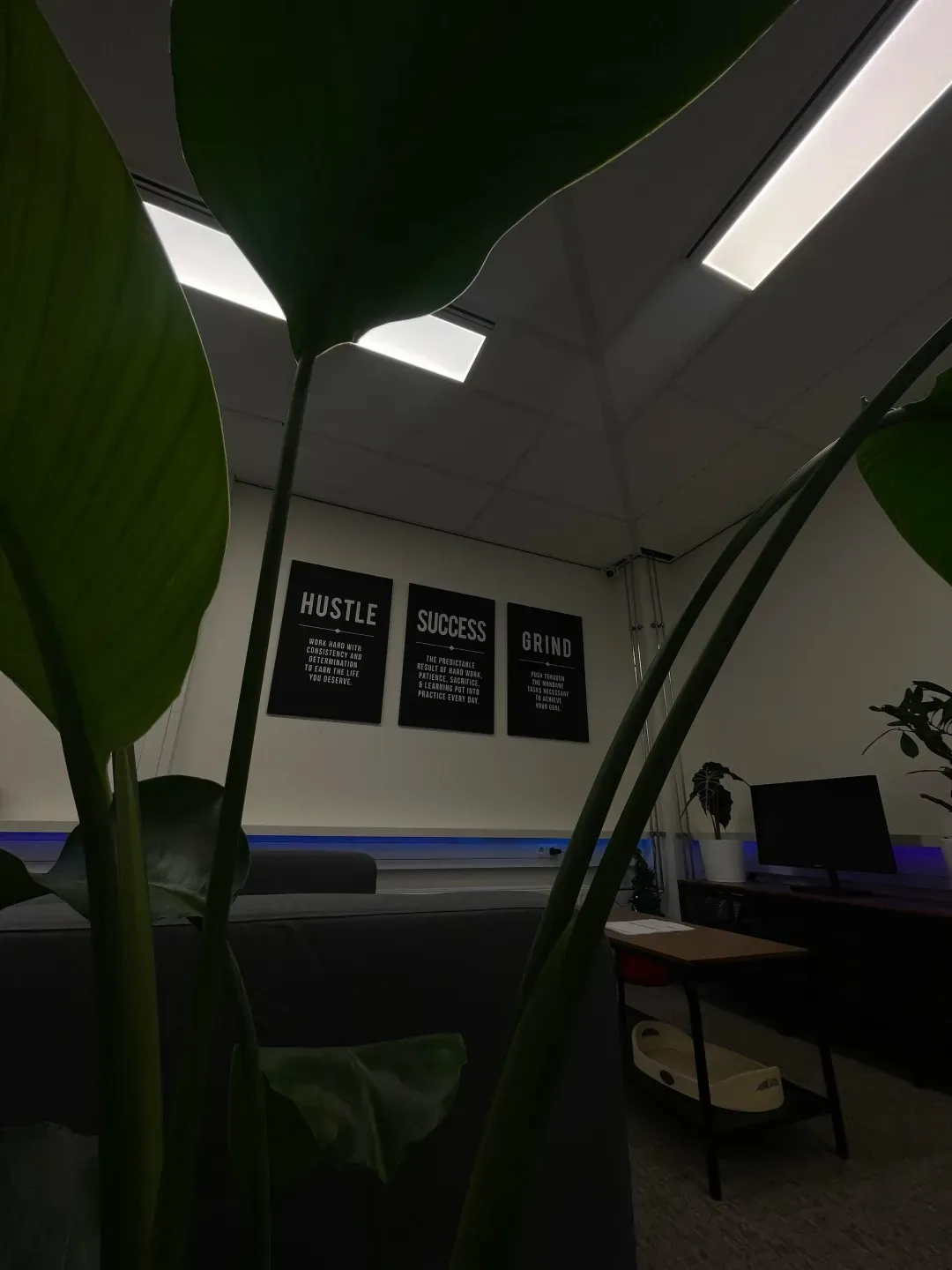
We are the people you call when something is up.
We grew up with code and we still think it is the best thing there is. A system that finally does what it should. A process that goes from three hours to three minutes. Someone calling to say it works. That is what we are in it for.
We are from Rotterdam and you can tell. If a plan does not add up we say so, even when it costs us the job. And when something breaks, we call you back. No ticket number, no account manager, just the developer who built it.
- Understand first, build second
- Say what we think
- Stay once it runs
Questions we get a lot.
Not in the list? Just ask, and you get an answer straight from someone who would have built it.
Ask your questionWhat is custom software exactly?
Software we build around your process, instead of a package you have to work around. Usually that is a portal, a dashboard or a link between systems you already use. You notice the difference in the exceptions: that one order type, that one client with their own pricing. In a standard package those are workarounds. In custom software they are simply buttons.
Website, web app or app: what is the difference?
A website is there to be read. A web app is there to work with: log in, enter, process. It runs in the browser, so on any device and without an install or an app store. An app sits on the phone itself and can reach the camera, location and notifications. For most business processes a web app is enough, and a lot cheaper to maintain.
What is an integration?
Making two systems talk. Your ERP passes stock to your webshop, the webshop sends orders back, and your accounting gets the invoices. That runs over an API: an agreed language between two programs. If a system does not have one, we build the bridge to it. The result is that nobody retypes anything.
What does it cost roughly?
An integration usually starts around ten thousand euros, a platform runs from twenty five thousand up to a few hundred thousand. It depends mostly on the number of exceptions in your process. We prefer to work back from what it returns: if someone spends four hours a week retyping, that is more than half a working week a month.
How long does a project take?
An integration is often live within a few weeks. A platform we build in pieces: the first version usually runs after two or three months, and after that something is added every two weeks. So you do not wait half a year before you see anything.
Who owns the code and where does it run?
The code sits in your repository and stays yours, also when the partnership ends. Hosting, backups and monitoring run with Dutch parties, so during an audit you do not have to go looking for where your data lives.
Do you work with our existing suppliers?
Often, yes. Sometimes we build the platform while another party runs the infrastructure, or the other way round. As long as it is clear who is responsible for what, we work fine alongside the people already there.
What if our current builder stops?
Then we take it over. We read ourselves in, write down how it fits together and take over maintenance. Also when there is no documentation and the code is a mess, because that is usually exactly why someone calls. Within about three weeks you know where you stand again.